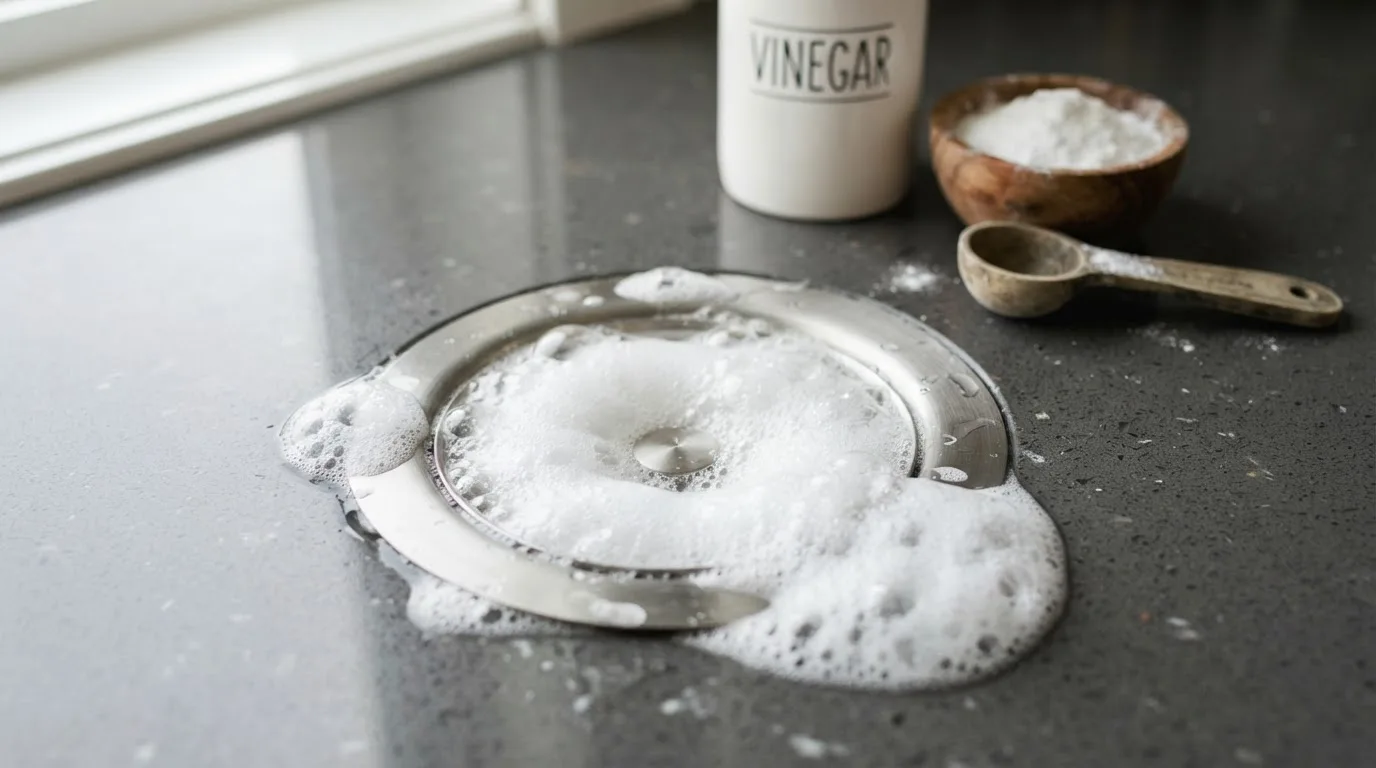
For a single, accessible sink or shower clog, the best way to clear a clogged drain is usually to remove visible debris and use a plunger or a hand drain snake gently. Before taking action, it helps to choose the right method for the likely location of the blockage.
How do you choose the right method for a clogged drain?
Choosing the right method for clearing a clogged drain depends primarily on the physical location of the blockage within your plumbing system and the specific type of drainage setup installed in your home. Determining whether an obstruction sits right near the sink strainer or deep down the main waste pipe allows you to select an intervention that effectively breaks up the mass without damaging your pipes. Matching the approach to your specific plumbing system ensures that you clear the blockage safely while protecting sensitive components, such as underground septic tanks or delicate pipe joints.
Selecting tools based on clog location
Selecting the correct drain clearing tool requires identifying whether the obstruction is localized near the fixture drain or positioned deeper within the plumbing line. For a single, accessible sink or shower clog, the best way to clear a clogged drain is usually to remove visible debris by hand or with simple tools, and then try a plunger. If the plunger fails to dislodge the material, you should use a hand drain snake gently, ensuring that you strictly follow the manufacturer’s instructions to avoid puncturing or scratching the pipe interiors. A plunger or short hand snake is ideal for addressing a nearby blockage confined to a single fixture’s plumbing neck. Conversely, when a clog persists despite initial clearing efforts or lies farther down the pipe line—often affecting multiple fixtures simultaneously—standard manual household tools will not reach the problem. In these situations, deep pipe obstructions require specialized professional equipment or a full inspection by a qualified plumber to evaluate the pipe system and safely remove the stoppage.
| Clog Location & Type | Primary Characteristics | Recommended Clearing Method |
|---|---|---|
| Single Accessible Sink / Shower | Localized to one fixture; visible or shallow blockage | Remove visible debris, use a plunger, or gently insert a short hand drain snake |
| Deep or Persistent Main Pipe Clog | Water backs up in pipes; persistent blockage far down line | Professional drain clearing equipment or professional plumber’s inspection |
Using plungers correctly for maximum effectiveness
Using a plunger effectively requires creating a complete liquid seal over the drain opening and executing steady, controlled pressure thrusts. Before you begin plunging, make sure there is enough standing water in the basin to fully cover the plunger cup, as water transmits mechanical force far better than air. You must also seal nearby overflow openings—such as the small relief hole near the top of a bathroom sink or an adjoining basin in a double sink—using a damp cloth or tape where possible, which prevents air and water pressure from escaping during the process. Once sealed, place the cup directly over the drain opening, push down firmly and straight, and apply steady plunges in a continuous rhythmic motion. After a series of thrusts, lift the tool to check whether the water drains freely down the pipe.
Safety is crucial when attempting to plunge a stubborn blockage. Do not plunge if chemical cleaner may still be present in the drain line. Plunging forces air and liquid upward under high pressure, which can cause harsh chemical cleaners to splash back out of the drain opening and onto your skin, face, or eyes. If chemical drain openers have already been poured into the fixture, avoid mechanical plunging altogether.
Special considerations for septic systems
Selecting a drain clearing method for a home connected to a septic system requires avoiding chemical additives that disrupt biological waste breakdown and relying instead on mechanical tools like drain snakes. According to the US EPA’s How to Care for Your Septic System guidance, homeowners should use a mechanical drain snake rather than chemical drain openers when clearing clogs in septic-connected plumbing. Chemical drain clearing products contain harsh agents that can kill the beneficial bacteria inside the septic tank, which are essential for breaking down solid organic waste.
To maintain long-term system health and prevent severe blockages, the US EPA advises avoiding chemical drain openers entirely and strictly keeping grease, oils, and coffee grounds out of your drains. Grease and oils solidify inside cold pipes and septic tanks, forming thick scum layers that severely impede drainage. Coffee grounds do not decompose easily in septic environments and accumulate as solid sediment. By using physical tools like plungers and hand drain snakes for localized blockages and restricting harmful substances from entering the drain lines, you protect the crucial biological and physical balance necessary for optimal septic-system function.
How do you safely use a hand drain snake to clear clogged drain issues?

Safely operating a hand drain snake requires careful handling, strict adherence to operating instructions, and proper safety precautions regarding chemical cleaners to prevent pipe damage and hazardous splashes. When tackling stubborn blockages in household plumbing, combining mechanical tools with chemical solutions demands a high level of caution. Homeowners must understand the mechanics of routing the cable, the chemical risks associated with corrosive substances, and the proper ventilation protocols should hazardous fumes occur. Neglecting these essential safety guidelines can result in severe physical injuries, chemical burns, or extensive damage to residential drain pipes.
Snake operating instructions
Using a drain snake effectively requires patience and a methodical approach without forcing the tool through the pipe. According to the manufacturer guidelines outlined in the EZ Spin Drain Snake Instructions, users must route the cable as straight as possible to avoid unnecessary strain on the mechanism and the surrounding plumbing infrastructure. Once the cable is properly aligned, advance the tool smoothly until it physically reaches the blockage. After the physical obstruction is successfully broken up and water flow is restored, running water through the pipe is recommended to flush out remaining debris if possible. Following these specific handling instructions prevents the cable from kinking, snapping, or scratching the interior walls of residential pipes during the clearing process.
Safety precautions with chemical cleaners
Do not use a mechanical snake after applying chemical drain cleaner unless the product manufacturer or a plumbing professional confirms it is safe, because the physical tool can bring corrosive liquid back up and cause hazardous splashes. Chemical drain cleaners typically contain highly concentrated corrosive substances that pose significant risks to human skin, eyes, and respiratory systems. According to guidelines provided by Poison Control, individuals handling these potent substances must wear protective goggles and rubber gloves at all times. Furthermore, users should pour the chemicals very carefully to avoid accidental splashes and must keep these products strictly away from children. Always read and carefully follow the specific directions and warnings printed on the product label before application.
Handling warnings regarding hazardous fumes
Never mix drain cleaners with other household cleaners under any circumstances. The Household Hazards Hunt and Answers reference material and product warnings, such as those found on the Drano Snake Plus Gel label, explicitly warn that combining different chemical formulas can release hazardous gases into the immediate environment. If accidental mixing occurs and toxic fumes are released, individuals must immediately leave the affected area. Return to the space to ventilate it only if that action can be performed safely without inhaling concentrated vapors. Exposure to unverified chemical combinations can lead to acute respiratory distress and other dangerous health emergencies within the household. Maintaining a clear understanding of chemical compatibility and tool safety ensures that clearing a clogged drain remains a controlled, injury-free home repair project from start to finish.
How do you check P-traps and handle persistent clogs?
Checking a removable P-trap and identifying deeper system problems are essential steps when surface plunging and snaking fail to resolve a sink obstruction. When basic household maintenance techniques do not yield results, the issue often lies deeper within the plumbing architecture, requiring a systematic inspection of the curved pipe beneath the fixture or an evaluation of the home’s broader drainage network. Homeowners can approach this phase by isolating the immediate trap assembly, verifying successful repair work, and recognizing the critical warning signs that necessitate hiring a licensed plumbing professional.
Inspecting Sink P-traps
For a sink clog, a removable P-trap may contain the blockage; if you are comfortable removing it, put a bucket underneath first, clear debris, reinstall the trap, and run water while checking for leaks. The P-trap is the curved section of pipe located directly beneath the sink basin designed to catch heavy debris and prevent sewer gases from entering the living space. Over time, hair, soap scum, and foreign objects accumulate tightly within this bend, creating a dense obstruction that water and plungers cannot bypass.
Verifying Drainage and Joint Integrity
A successful clear should restore steady drainage without gurgling or backup; after reassembling a trap, run water and inspect the joints for leaks. Once the trapped debris has been manually cleared and the P-trap has been securely reinstalled onto the wall and tailpiece connections, testing the system is vital to confirm the repair. Allowing water to flow freely through the fixture provides an immediate visual indicator of whether the blockage has been completely eliminated. Simultaneously, closely examining the threaded slip nuts and washers on the trap assembly ensures that all seals are tight and that no water is escaping onto the cabinet floor. If water continues to back up or if the fixture drains sluggishly despite a clean trap, the blockage resides further down the pipe system beyond the reach of basic disassembly.
Recognizing Deeper System Problems and Knowing When to Call a Professional
Multiple drains backing up at once, sewage backing up, or persistent foul sewage odors can indicate a main sewer-line problem rather than a local fixture clog; municipal blockage guidance recommends contacting the sewer authority or a qualified plumber as appropriate. Beyond localized plumbing traps and branch lines, complex issues within the main drainage infrastructure require specialized intervention. Repeated clogs, a blockage that returns soon after clearing, or a clog that cannot be reached with a hand tool warrants professional diagnosis to identify a deeper blockage or pipe issue. If you cannot access the P-trap safely or if it remains blocked despite your best efforts, call a plumber to prevent accidental damage to older or fragile PVC and metal plumbing components. Professional technicians possess the heavy-duty machinery, video inspection cameras, and specialized training required to locate obstructions deep within walls or underground sewer lines, ensuring the entire residential plumbing system returns to safe and efficient operation without risking structural leaks or sanitary hazards.